

Available for web app builds

Full-stack developer for web apps, ERP, and CRM.

I build production web apps, ERP-style systems, CRM workflows, document automation, interactive interfaces, and reliable deployment infrastructure.

Web appsUI systemsTypeScriptInteractive 3DMongoDBDockerAI SDKCloudflare Tunnel
24
Public repos

GitHub profile proof from Coke1120

5
Build range

TS, JS, Python, C, C++

ERP
System focus

Operational apps, reports, auth, realtime

Project proof

Good design. Useful software.

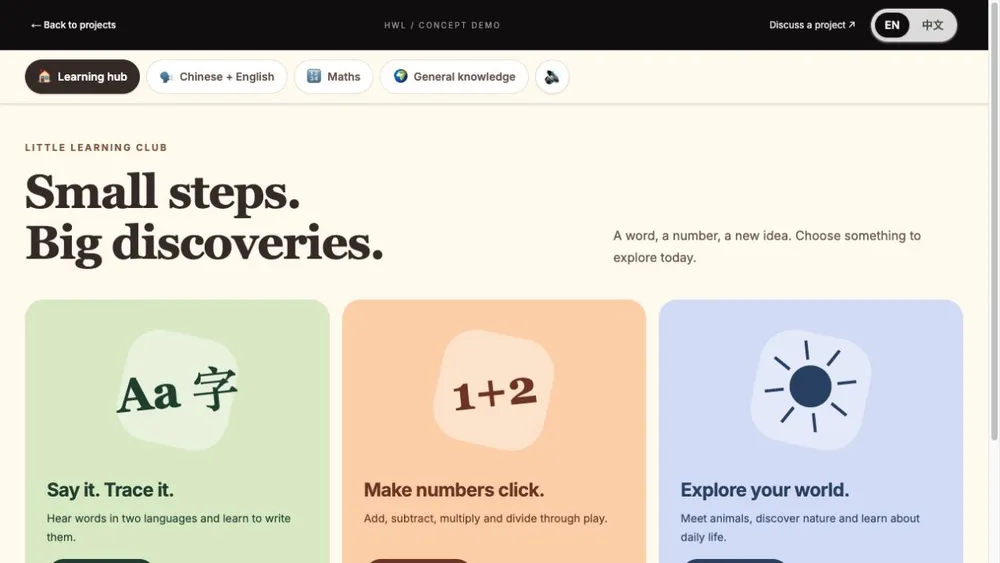
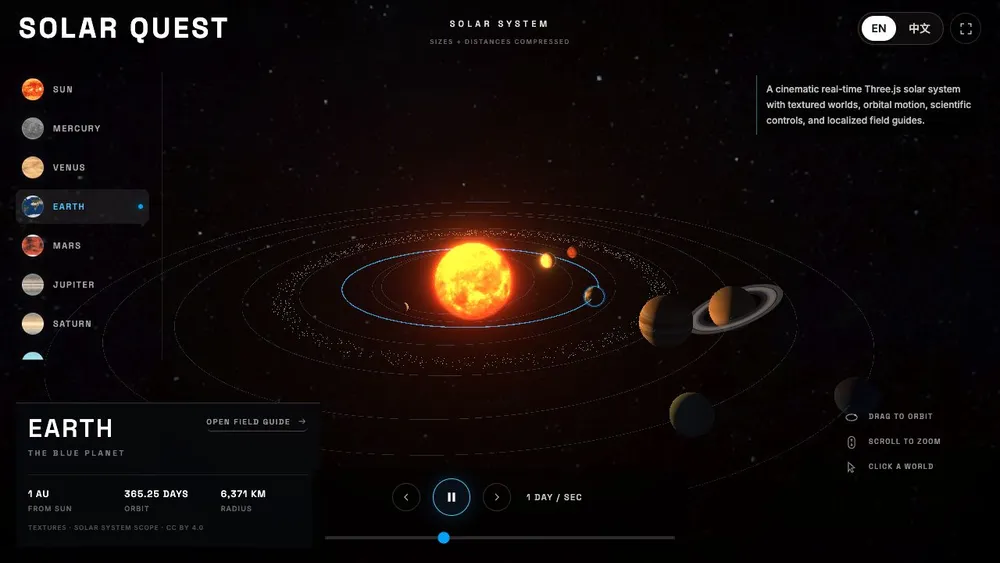
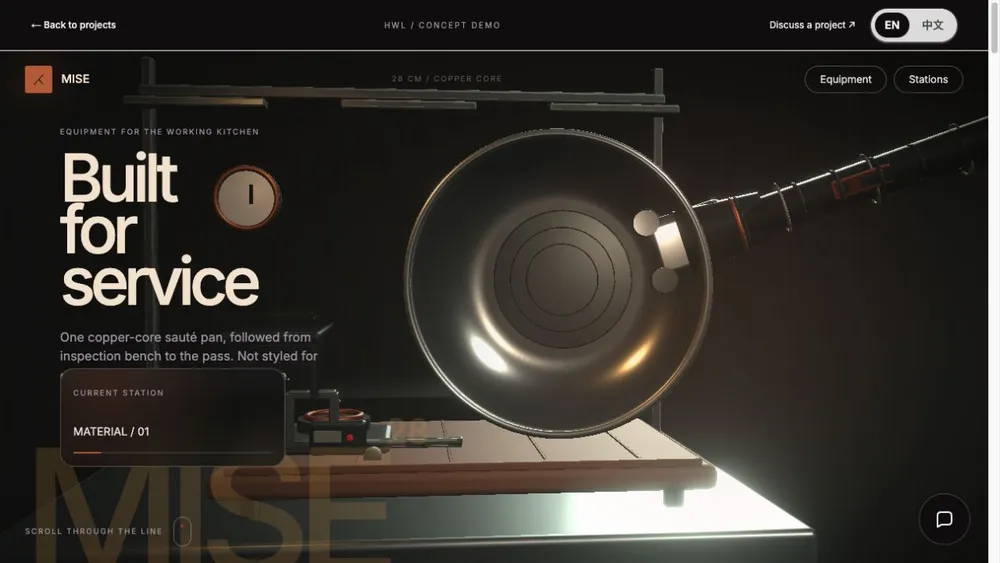
A website should earn attention. A product should make something easier. Explore live work and hands-on concepts built around both.

04Beyond the ordinary

Interactive worlds, browser games and scroll films. Studies in what a web experience can be.

Applied capability

Skills grouped by what they let me ship.

The stack is broad, but the story is simple: custom AI products, internal business systems, secure data workflows, and deployment infrastructure.

AI product development

AI chatbots, assistants, voice apps, multi-provider routing, private AI services, and media-generation workflows.

AI chatbotTTS appSTT appOpenAIAnthropicGLMMoonshot AIQwenImage/video AIIn-house AI server

Internal business systems

ERP-style operating tools, Slack-like internal chat, CRM workflows, CMS platforms, multilingual apps, and responsive mobile views.

ERPCRMInternal chatCMSMulti-languageMobile view supportiAM Smart sandboxMongoDBAblyDashboards

Auth, data + documents

Secure login, permissions, OCR extraction, reporting, exports, PDFs, spreadsheets, DOCX templates, CSV pipelines, and Adobe product workflows.

LoginAuthRolesAdobe PhotoshopAdobe IllustratorAdobe Premiere ProAdobe After EffectsAdobe AcrobatAdobe InDesignOCR extractionBank statementsInvoicesContractsExcelJSpdf-lib

Deploy + ops

Custom-built systems from first principles, with cloud deployment, financial analysis workflows, containers, VMs, tunnels, and AWS services.

AWS developerFinancial analysisCapital structureFinancial reportsDockerVMCloudflare TunnelNo templates

Language range

TypeScriptJavaScriptPythonCC++

AI FDE operating model

I bridge product, systems, and AI deployment.

AI FDE work brings LLM, RAG, and agent systems into real enterprise workflows. The goal is not a polished demo; it is a deployed system that connects data, tools, approval paths, monitoring, and measurable outcomes.

Why businesses need AI FDE

Most companies do not only need a model call. They need someone who can connect AI to data, workflow, permissions, risk, and ROI.

  • Data is scattered across many systems.
  • Workflows include permissions, approval, compliance, and security constraints.
  • AI must connect to existing workflow rather than sit beside it.
  • Models change quickly and need ongoing adjustment.
  • The goal is measurable business outcome, not a demo.

How AI FDE differs from FDE and PM

Traditional FDE

Core positioning
Bring products into customer environments and solve integration issues.
Main tasks
Requirement intake, POC, API integration, custom deployment, launch support.
Skill emphasis
Backend, API, SQL, cloud deployment, debugging, system integration.
Key strength
Technical consultant plus engineer, strongest around deployment and integration.

PM

Core positioning
Define product direction and coordinate design, engineering, and business teams.
Main tasks
User research, PRD, roadmap, prioritization, acceptance, cross-team coordination.
Skill emphasis
Requirement analysis, process design, KPI thinking, communication, project management.
Key strength
Product commander, strongest around decisions, coordination, and value definition.

AI FDE

Core positioning
Bring LLM, RAG, and agent systems into enterprise workflows with product and engineering judgment.
Main tasks
Find use cases, connect company data, design workflow, build eval, and keep improving.
Skill emphasis
LLM app, RAG, tool use, agent workflow, API, database, eval, monitoring, guardrails.
Key strength
AI-era FDE focused on stable deployment and business outcomes, not only demos.

Enterprise AI adoption flow

A practical path from business target to production workflow.

01-08
  1. 01

    Business goal alignment

    Confirm the problem, KPI, and operational target.

  2. 02

    Use case filtering

    Find high-value scenarios with feasible risk.

  3. 03

    Data and system audit

    Map ERP, CRM, files, emails, APIs, databases, and permissions.

  4. 04

    Workflow design

    Put AI into the real workflow with human-in-the-loop controls.

  5. 05

    PoC / prototype

    Build an LLM, RAG, or agent prototype against company data.

  6. 06

    Eval / guardrails

    Define quality checks, approval, compliance, and risk boundaries.

  7. 07

    Deployment

    Integrate existing systems and launch into the operating flow.

  8. 08

    Continuous optimization

    Track adoption, ROI, and model changes, then adjust the system.

AI agents for business

Set up agent systems that handle real operational work.

I help businesses move beyond a generic chatbot by setting up agent stacks that connect to tools, documents, CRMs, ERPs, support workflows, and private deployment requirements.

Built for production handoff

The setup includes practical boundaries: credentials, human approval steps, logs, fallback providers, and staff-facing instructions so the agent can be maintained after launch.

Discuss an agent workflow
agent-stack --business-ready

Agent stack setup

Set up OpenClaw, Hermes-Agent, model routing, tools, memory, and role-based permissions around real business workflows.

OpenClawHermes-AgentTool useMemoryPermissions

Business workflow automation

Connect agents to support, CRM, ERP, document intake, OCR, email triage, and internal knowledge search.

SupportCRMERPOCRKnowledge search

Regional availability planning

Design compliant alternatives when an AI provider is unavailable in a country: regional routing, fallback models, self-hosted services, and private deployment.

Regional routingFallback modelsSelf-hostedPrivate deploymentProvider resilience

Governance and handoff

Design approval gates, audit trails, data boundaries, prompt operations, and staff-facing runbooks for production use.

Human approvalAudit trailRunbooksData control

Interaction layer

Motion that explains the build, not decoration.

Layered motion handles layout transitions, the hero proof object, and precise timeline details like this code-line reveal.

build-lab.ts
01
02
03

Interactive 3D

Hero build reactor, pointer response, reduced-motion fallback

Framer Motion

Section reveals, hover states, card movement, CTA feedback

shadcn/ui

Accessible buttons, cards, badges, tabs, and dialogs

Timeline motion

Precise code-line and metric microinteractions

Available for web app builds

Have a product workflow that needs to become a real web app?

Send the workflow, the current bottleneck, and the systems it needs to connect to. I can help shape it into a usable, maintainable web application.